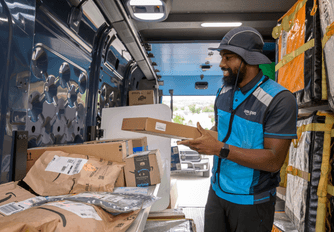
Based on the limited, but insightful, reviews available for Amazon Flex drivers and sales workers in New York and Rochester, a consistent picture emerges: the core appeal of the role lies in its flexibility and potential for supplemental income.
Across all locations, drivers are primarily attracted to the ability to set their own hours and complete short shifts, typically 3-4 hours, making it suitable for individuals balancing other commitments.
However, this flexibility is consistently paired with significant operational and support-related challenges.
A major recurring theme is the inconsistency of driver support, with many reviewers reporting difficulty resolving issues and experiencing what appears to be manipulated feedback leading to account restrictions.
This highlights a crucial need for improved transparency and fairness within Amazon Flex’s account management system.
Furthermore, the role is heavily reliant on individual effort and operational responsibility; drivers are expected to manage their own vehicle costs, route planning, and navigate variable delivery block availability – particularly in locations like Brooklyn and Rochester, where logistical challenges are pronounced.
While some drivers appreciate the autonomy and short shifts, the overall experience is frequently marred by a lack of trust and a perceived imbalance of power between the driver and Amazon Flex’s support team.
Finally, a notable concern across all locations is the lack of clear communication and proactive support, contributing to a fragmented and sometimes frustrating experience for drivers.
Despite the flexibility and potential income, the Amazon Flex experience, as reflected in these reviews, is demonstrably inconsistent.
The operational burden, particularly concerning vehicle costs and logistical complexities, is a significant concern.
Drivers in locations like Brooklyn face considerable competition and fluctuating demand, while those in Rochester grapple with the challenges of navigating local delivery routes.
The reliance on individual effort and self-management is a key characteristic, but this is often compounded by a lack of support and communication.
The fragmented support system and the potential for unfair account restrictions are key drivers of dissatisfaction.
A more structured and supportive environment would undoubtedly improve the overall driver experience.
Looking forward, Amazon Flex needs to prioritize addressing these systemic issues.
Specifically, enhancing driver support, increasing transparency in account management, and fostering a more trusting relationship with its drivers are paramount.
Investing in training for the driver support team and streamlining the feedback process would go a long way towards improving the overall experience.
Ultimately, a shift towards a more supportive and communicative ecosystem would transform Amazon Flex from a flexible income opportunity into a more reliable and satisfying work experience for its drivers.